
Transport Tasks Made Clear
Practice the first steps of transport activity: reading requests, checking route points, preparing dispatch notes, and spotting missing timing or document details before a trip begins.
What the course helps you practice
Reading Transport Requests
Break a request into pickup point, delivery point, timing window, vehicle need, contact details, and the missing information that should be checked first.
Route and Timing Checks
Compare simple routes, loading time, waiting time, access restrictions, and arrival windows so a basic schedule feels easier
to understand.
Clear Dispatch Notes
Practice writing short operational notes with task details, vehicle information, driver updates, and trip status points another person can follow.
Document Awareness
Use sample waybills, delivery notes, trip sheets, and checklists
to notice what transport records are meant to clarify during a
task.
Built around real transport basics
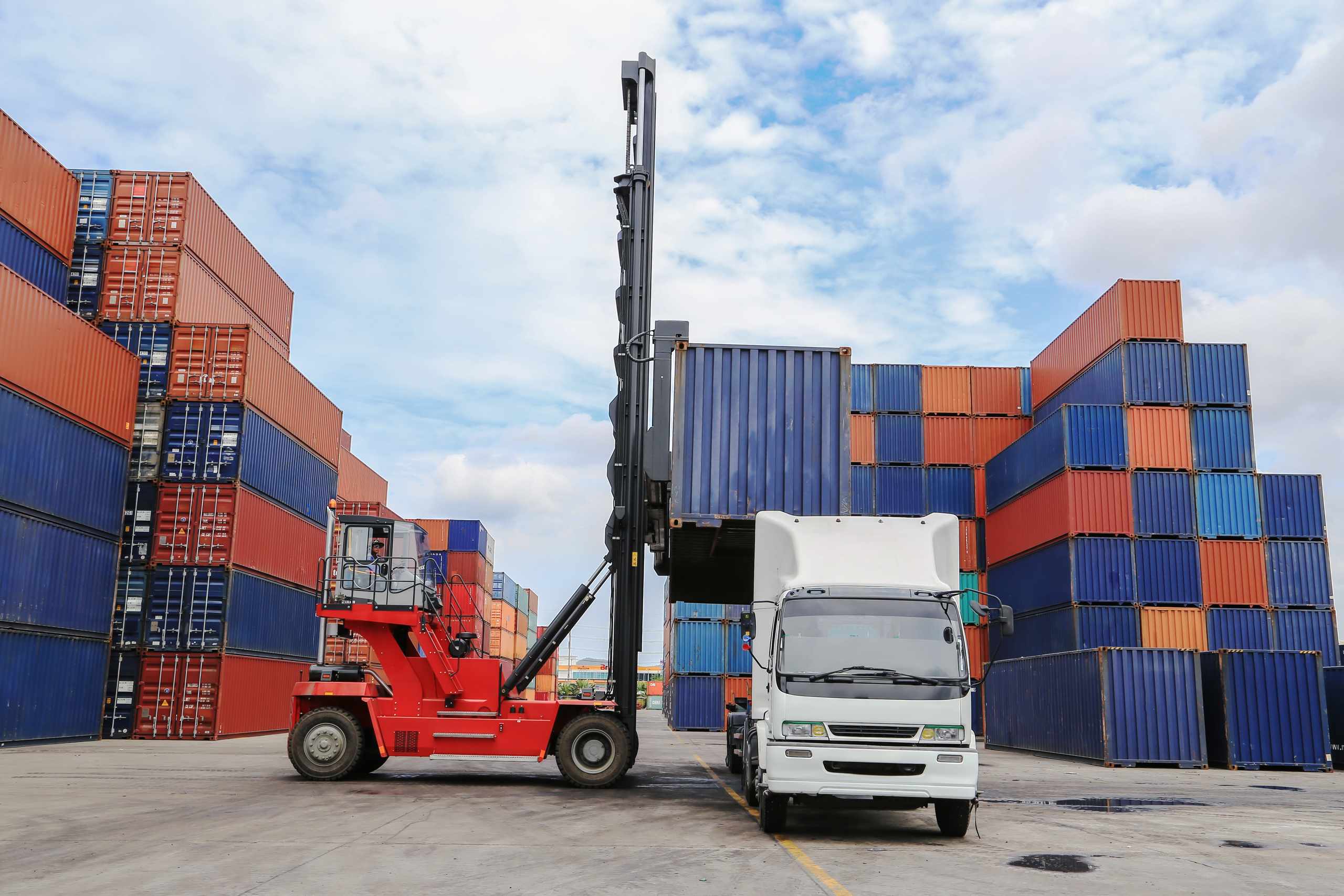
Task Details

Stops and Timing

Status Updates
How practice works
Read the Request
Identify the pickup point, delivery point, schedule, vehicle need, contact details, and anything unclear before planning the task.
Check the Route
Review timing, waiting points, loading or unloading needs, access limits, and possible route changes using simple examples.
Write the Update
Turn the plan into a clear dispatch note, trip status update, or checklist item that keeps the task easier to follow.
Ask before you begin
Not sure whether to focus on route planning, dispatch notes, vehicle assignment, or transport documents first? Send a course question and check the best starting point.
Talk To UsA Practical Way Into Transport Activity
TransportSkillPro focuses on the ordinary details that make transport tasks easier to understand: requests, route points, schedules, dispatch notes, vehicle suitability, trip sheets, and updates.
The course does not promise licensing, legal authority, or professional status. It gives newcomers a calmer way to practice basic operational thinking with sample tasks, checklists, and realistic transport scenarios.